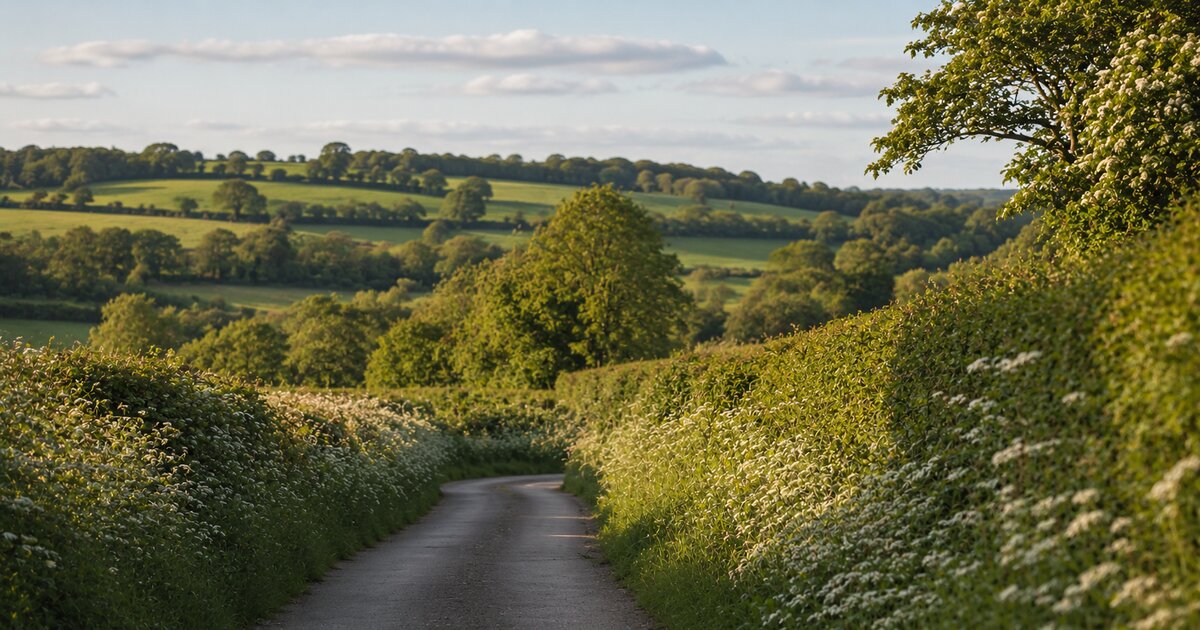
The rolling hills and gentle valleys of the Cotswolds are a treasured part of Britain’s rural landscape. One often overlooked feature that weaves both biodiversity and history into this region is its traditional hedgerows. As you plan your journey along winding country lanes or through lush meadows, the hedgerows of the Cotswolds offer a compelling theme worth close attention.
The Heritage of Cotswold Hedgerows
Cotswold hedgerows are not just borders between fields — they’re living historical documents. Many date back centuries, demarcating old parish lines or protecting livestock long before modern fencing existed.
- Some hedges trace their origins to medieval land enclosures (12th–16th century)
- The classic hawthorn hedge was popularised during the Enclosure Acts (18th–19th century)
- Traditional laying methods survive in local practice and conservation efforts
Hedgerows serve as vital wildlife corridors and repositories of native species. Their presence supports insects, birds, mammals, and plants — making them essential to local biodiversity.
Flora: Botanical Wonders at Every Step
One major delight when exploring the hedgerows of the Cotswolds is discovering their rich plant life.
Typical Plant Species
- Hawthorn (Crataegus monogyna): White flowers in spring; red berries (“haws”) in autumn
- Blackthorn (Prunus spinosa): Early blossoming with white blooms; sloes appear later
- Hazel (Corylus avellana): Catkins herald early spring; nuts feed small mammals
- Dog rose (Rosa canina): Pale pink flowers; bright orange-red rose hips in autumn
- Elder (Sambucus nigra): Flat sprays of white flowers used for cordial making
Other common plants include spindle tree, field maple, honeysuckle, bramble and wild clematis (“old man’s beard”).
Rare Finds
A keen eye might spot orchids or even mistletoe clumps — particularly where old trees linger within ancient boundaries.
Fauna: Wildlife Thriving in Hedges
For many walkers, spotting wildlife turns an ordinary stroll into something memorable.
Birds
Hedgerows host nesting and feeding sites for yellowhammer, whitethroat, dunnock, greenfinch and song thrush. Listen for distinctive bird calls among dense cover especially at dawn or dusk.
Mammals & Amphibians
Look low or listen carefully for hedgehogs, field mice, stoats or weasels. Amphibians like newts may frequent damp bases by streams or ponds lining a hedgerow.
Insects & Pollinators
In late spring through summer watch for butterflies (meadow brown, speckled wood) and bees seeking hawthorn and blackthorn blossoms. Spot ladybirds preying on aphids clinging to young leaves.
Seasonal Changes Along Hedgerows
No two walks along Cotswold hedges are ever alike — each season offers distinct highlights.
Spring
Exploding into fresh green growth with frothy blossom clouds. Best time for early wildflowers beneath shrubs and first sightings of pollinators. Hazel catkins dangle golden; blackthorn comes into flower before leaves unfurl fully.
Summer
Wild roses bloom amid humming insects while thick leaf cover offers shade and shelter to fledgling birds testing new wings. Midsummer brings elderflower scents drifting on warm breezes.
Autumn
Hips, haws and sloe fruits paint an edible mosaic as leaves turn gold or deep burgundy. Blackberries ripen alongside hazelnuts — a bounty enjoyed by both humans and animals preparing for winter.
Winter
Leafless silhouettes reveal bird nests built high up; hollies gleam with red berries against bare branches while fallen seeds carpet muddy paths underfoot.
What Makes Cotswold Hedgerows Unique?
Several features distinguish these regional boundary markers:
- Stone Base Construction: In some places, thick stone walls form an unusual base beneath hawthorn or mixed shrub growth — reflecting the area’s geology
- Ancient Boundaries: Aged oaks occasionally grow out from hedges marking very old property lines
- Traditional Maintenance: Hedge-laying — a skilled craft — is still practiced here more than elsewhere in England
- Diverse Plant Mixes: Thanks to varied soils across limestone hills and clay valleys
- Wildlife Richness: Due to wide adoption of organic farming around nature reserves such as Crickley Hill or Minchinhampton Common
- Integration with Dry Stone Walls: Particularly notable near older villages where dry-stone merging occurs seamlessly with living boundaries
If you find yourself walking from Chipping Campden towards Broadway Tower — or winding up Bredon Hill — pause occasionally beside a thicketed margin rather than rushing on; it rewards patient observation richly.
Responsible Enjoyment: Best Practice Tips
Walking near hedges demands respect — for nature and landowners’ rights:
- Stick to public rights-of-way unless explicit permission is given to enter fields
- Avoid picking rare plants or disturbing animal nests and burrows
- Observe from a distance if you spot larger wildlife
- Take litter home with you — even biodegradable items disrupt delicate cycles
- In summer and early autumn only pick fruits where permitted — and leave enough behind for creatures relying upon them over winter months
By treading carefully amid ancient green corridors like these you’ll help ensure that future generations continue enjoying both beauty and biodiversity firsthand.
Recommended Walking Routes Featuring Hedgerow Landscapes
Some particularly rewarding stretches include:
- The Cotswold Way National Trail: From Chipping Campden southwards towards Bath — you’ll encounter miles of well-preserved bushy boundaries full of seasonal interest. See our guide to the Top 10 Walks in the Cotswolds for full route details
- Minchinhampton Common Circuit: Open vistas interspersed with managed hedge-lines home to butterflies and skylarks alike
- Slad Valley Paths near Stroud: Immortalised by author Laurie Lee; stunning landscapes blending dry stone walls with native shrubs galore
- Windrush Valley Walks near Burford: Gently sloping meadows divided by thriving wild edges hosting countless birds each morning at sunrise
Maps for these routes are available locally or downloadable via official tourism board websites. For full route details see our Top 10 Walks in the Cotswolds and if you are walking with a pet our Dog-Friendly Walks in the Cotswolds covers the best off-lead sections and pub stops.
Q&A
Q: Why are hedgerows so important in the Cotswolds? They provide crucial habitats for wildlife — including birds, mammals, insects — as well as acting as windbreaks and natural fences historically integral to local farming traditions.
Q: When is the best time of year to observe maximum activity around hedges? Late spring through early autumn offers peak diversity — with abundant flowers followed by fruiting periods attracting numerous pollinators and songbirds preparing for migration or breeding cycles.
Q: Can I forage fruits from public hedges during my walk? Yes — but only modestly where explicitly permitted along public footpaths. Never remove rare species and always leave plenty behind for resident animals who rely on them throughout harsher months ahead.
Q: How can I identify if a hedge is particularly ancient? Look for multiple tree species per 30-metre length (an indicator called Hooper’s Law), large individual trees rooted within boundary lines, presence of veteran oaks — or even partial dry-stone wall remnants beneath shrub roots suggesting centuries-old demarcations remain intact today.